LLM Translation: Building Real-Time Multilingual Features with Claude
Introduction
Travel disruptions are already stressful. If the message is in the wrong language, it is worse. At Trainline we saw a clear gap: disruption messages were not translated for customers traveling internationally.
We asked a simple question: can LLMs close that gap quickly enough for real-time use?
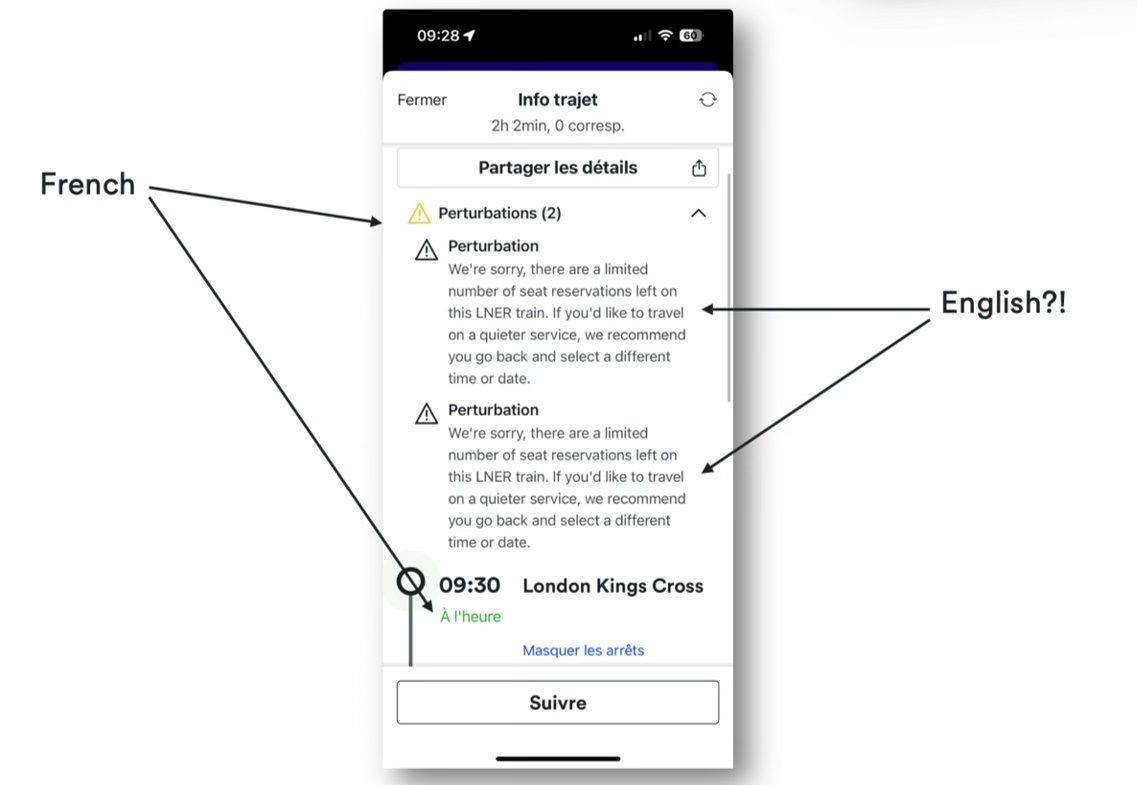
Fixing this would improve customer retention and give us a reusable foundation for future multilingual features.
The Hypothesis
Our AI Lab strategy was to build small, useful services that could later plug into bigger systems. Real-time translation fit that model.
We hypothesized it would:
- Differentiate Trainline from competitors like Omio and Uber
- Reduce disruption-related frustration and improve retention
- Create a translation capability we could reuse across products
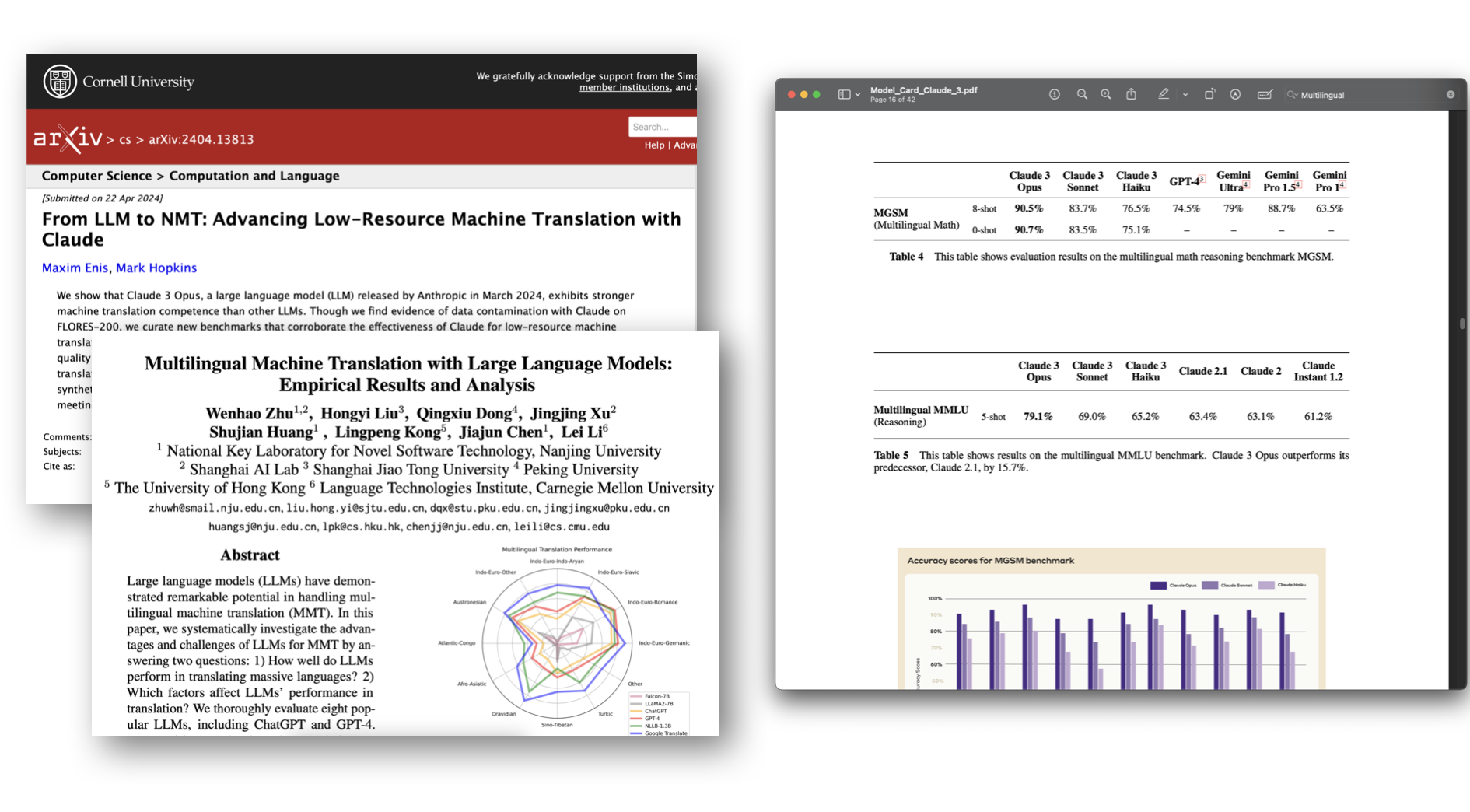
We also wanted evidence that LLMs could handle low-resource translation. The paper From LLM to NMT: Advancing Low-Resource Machine Translation with Claude provided strong results for Claude 3.5.
The Approach
We focused on three areas:
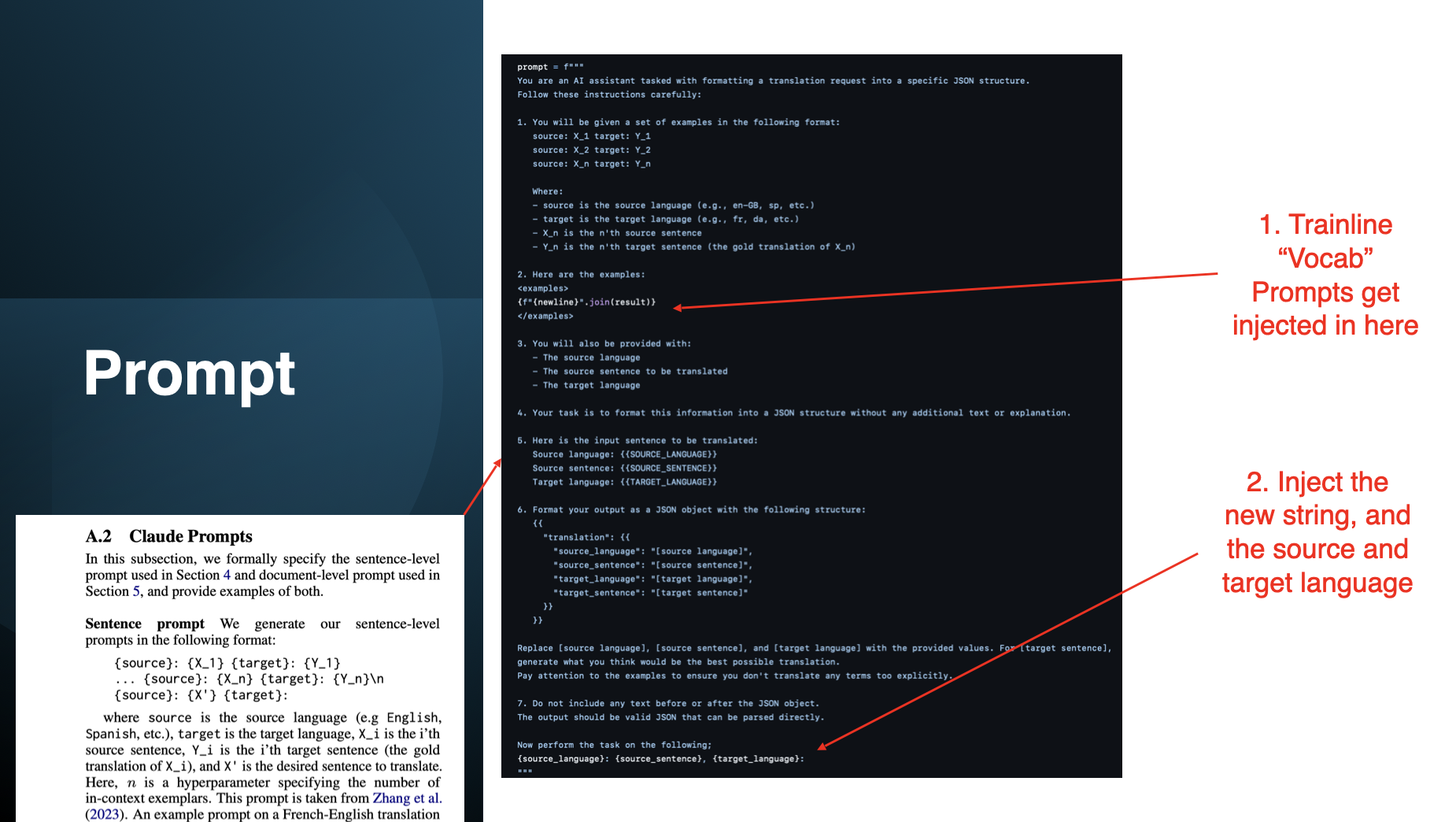
- Prompt design
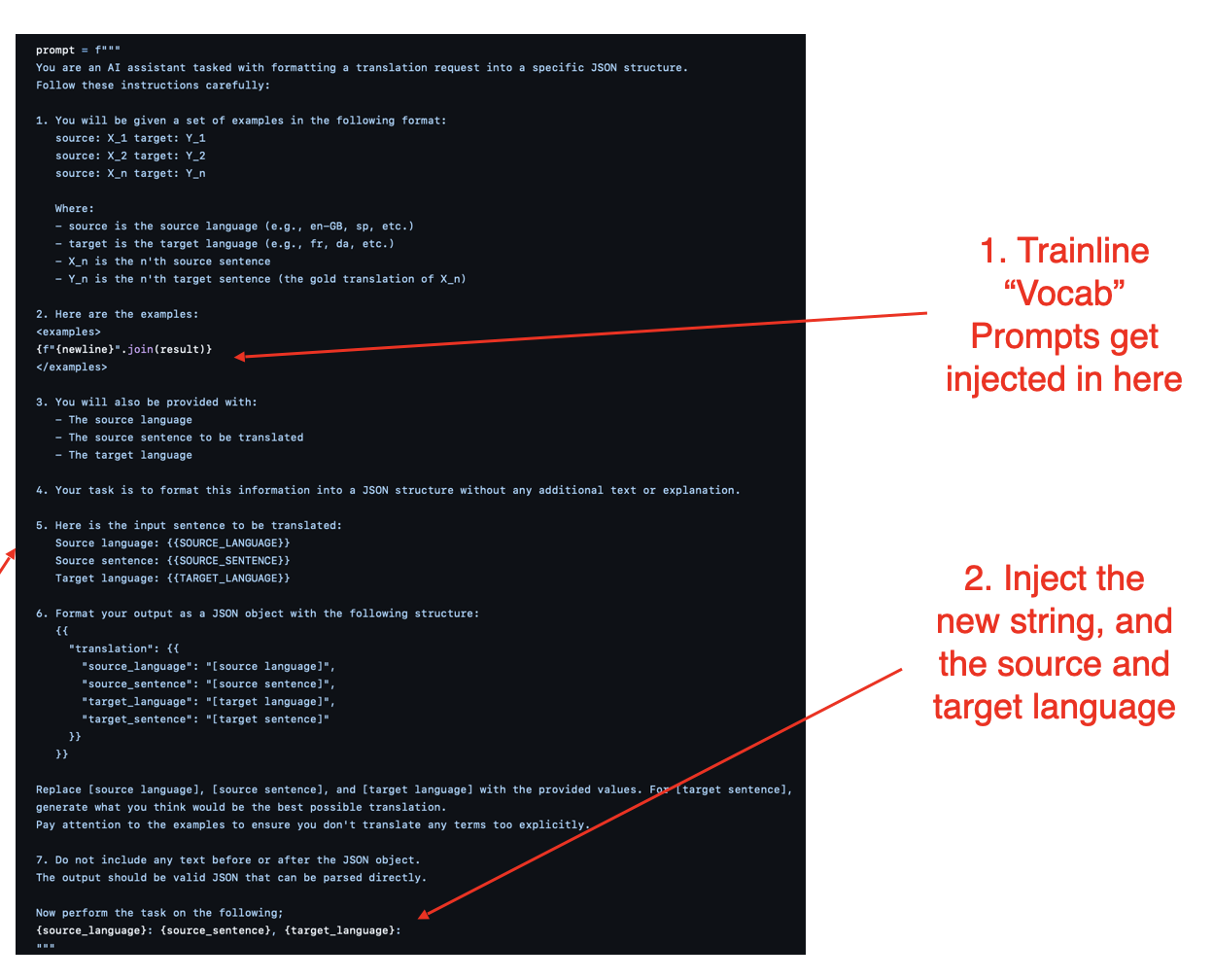
- Inject Trainline-specific vocabulary for context
- Adjust to source and target languages dynamically
- Technical implementation
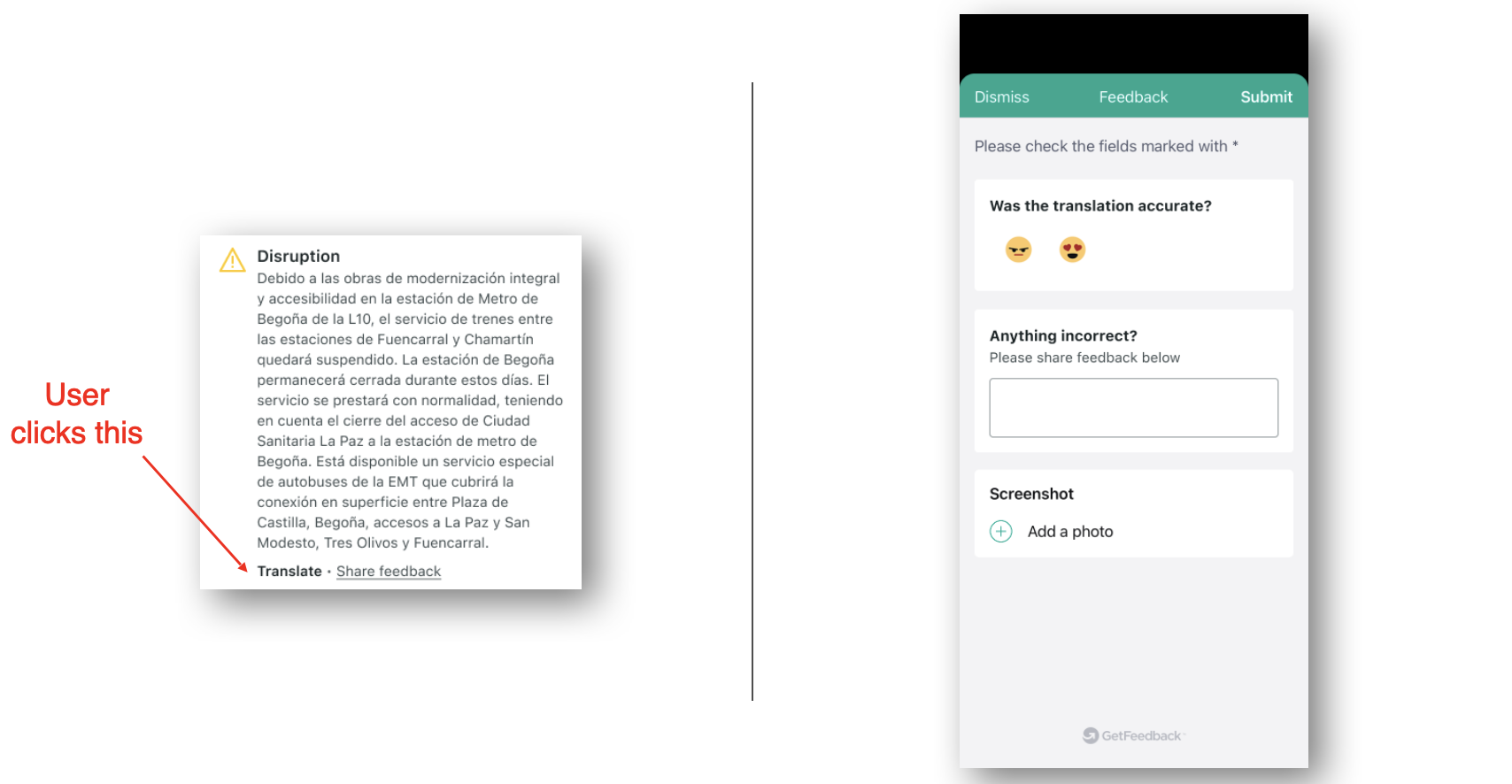
- Embed translations directly in disruption notifications
- Keep the system language-agnostic for future expansion
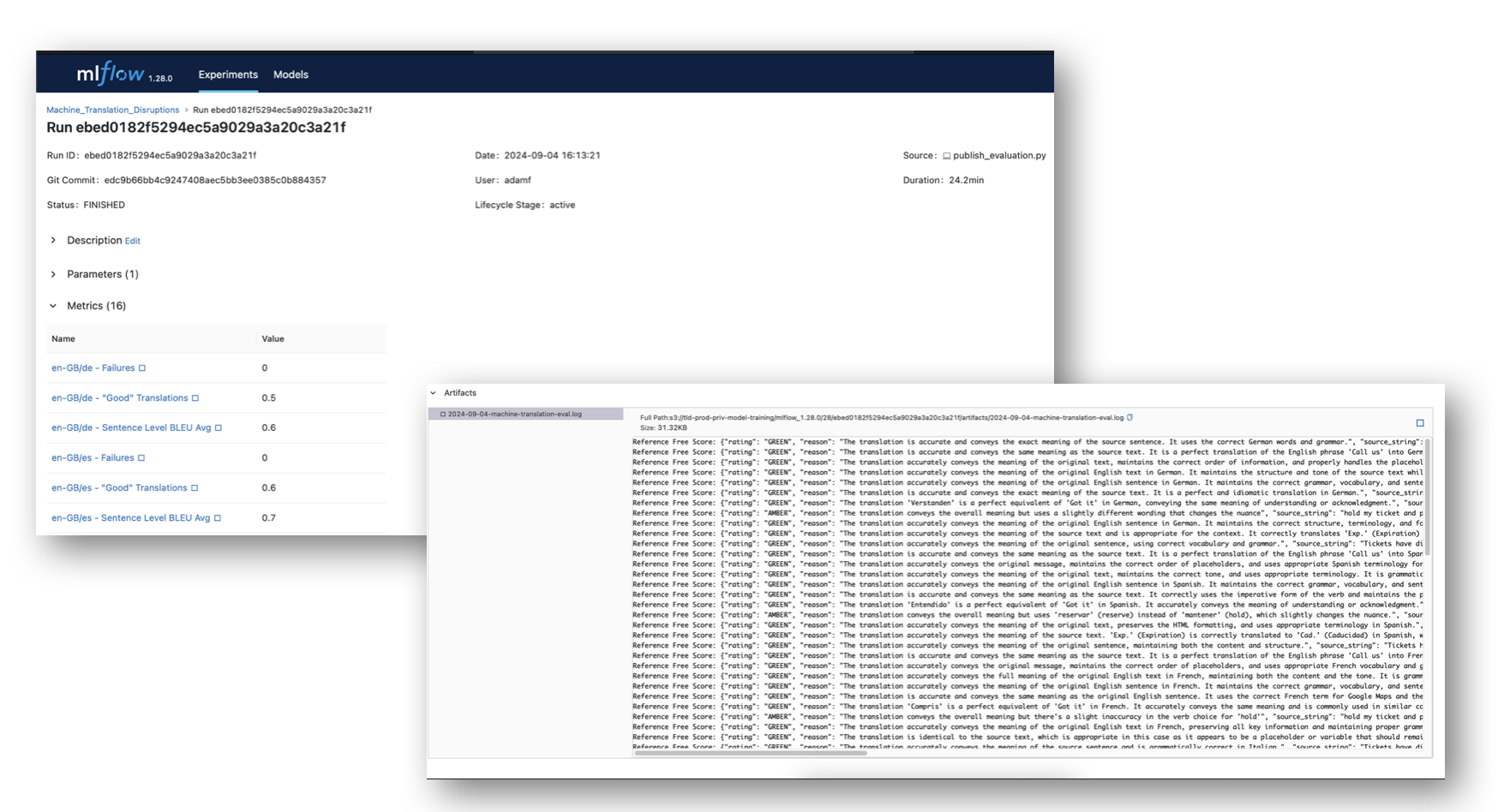
- Evaluation
- Offline: BLEU scores for translation quality
- Online: A/B tests for satisfaction and retention
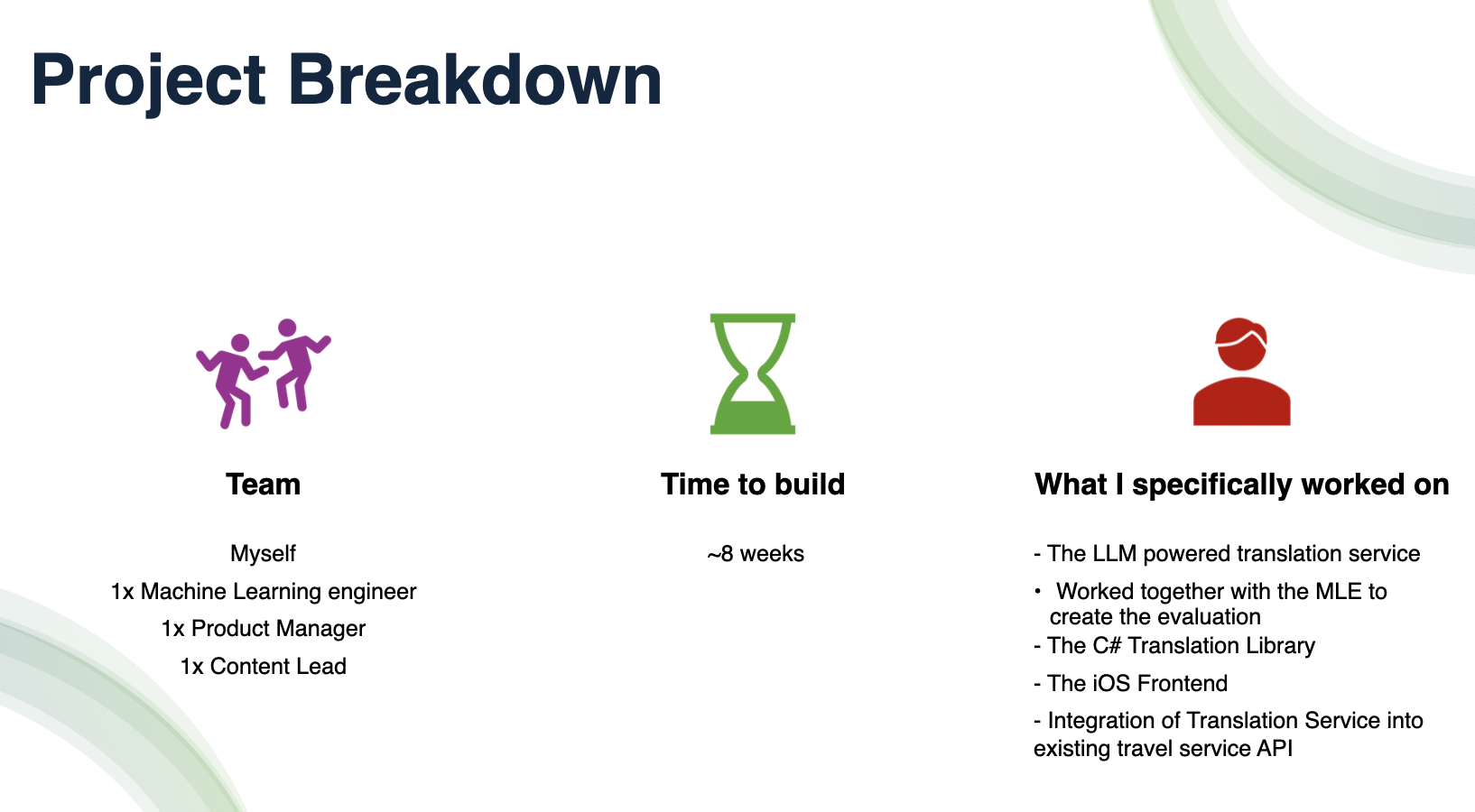
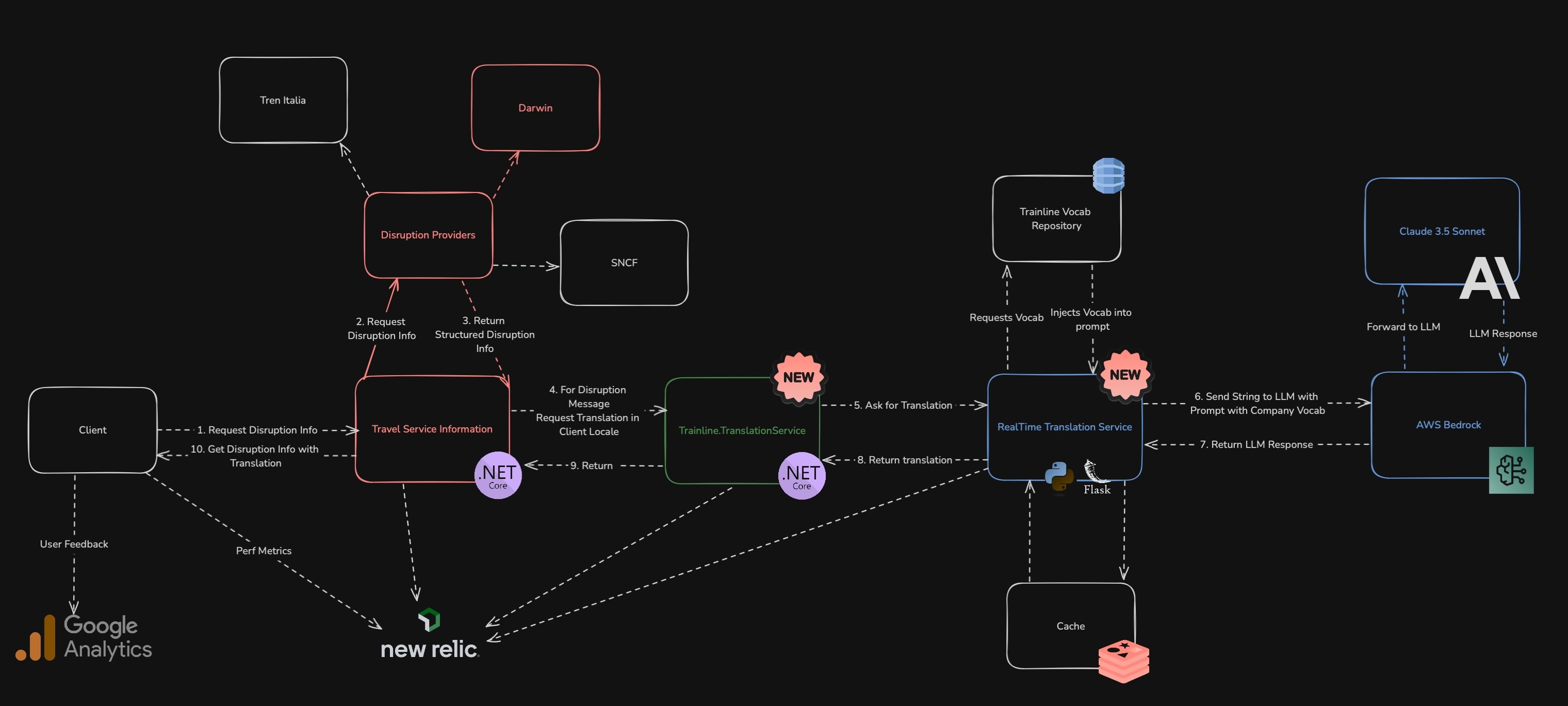
What we built - A C# Library called Trainline.TranslationService
- A database of Trainline-specific terms to inject into the prompt
- A Python backend service that connects to AWS Bedrock (Claude 3.5)
Outcomes
- Fewer complaints about unreadable disruption messages
- More positive feedback on clarity during disruptions
- A reusable translation service we can plug into new products
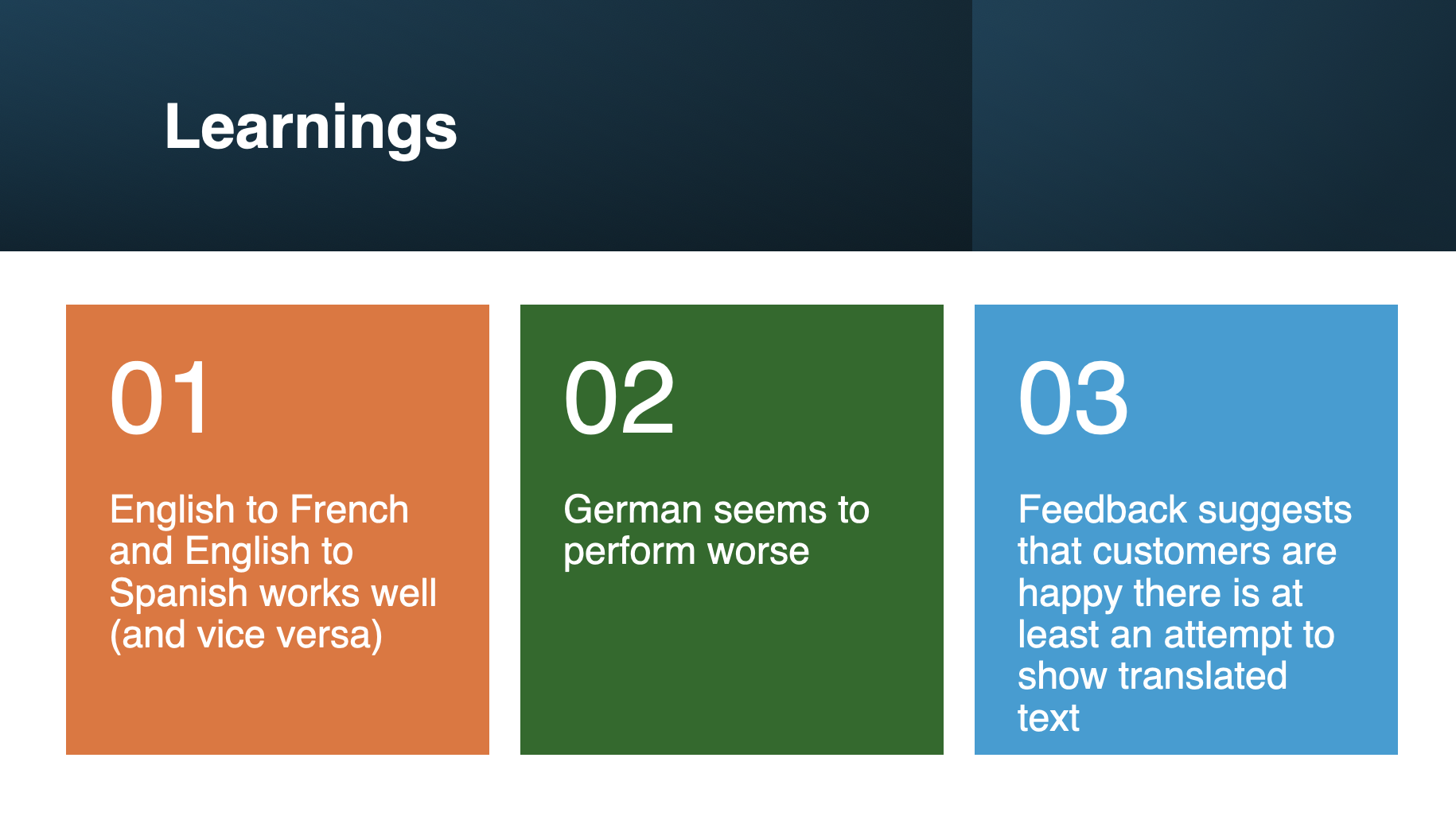
Learnings
Real-time translation is hard: accuracy, latency, and cost all matter. But careful prompt design plus strong LLMs made it viable. The bigger lesson was product focus: solving a real pain point creates momentum for future features.
Recap
By fixing untranslated disruption messages, we improved the immediate customer experience and built a foundation for future multilingual features. Real-time LLM translation is more than a nice-to-have; it is a step toward a global travel assistant.
If you’re interested in building production systems, check out my post on how I built this blog with Emacs and Docker.